The Sun Now
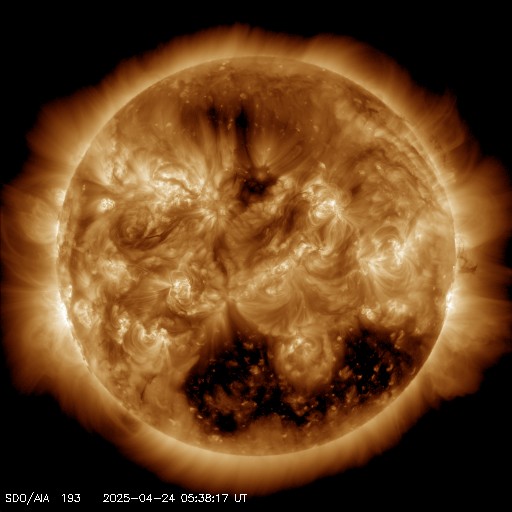
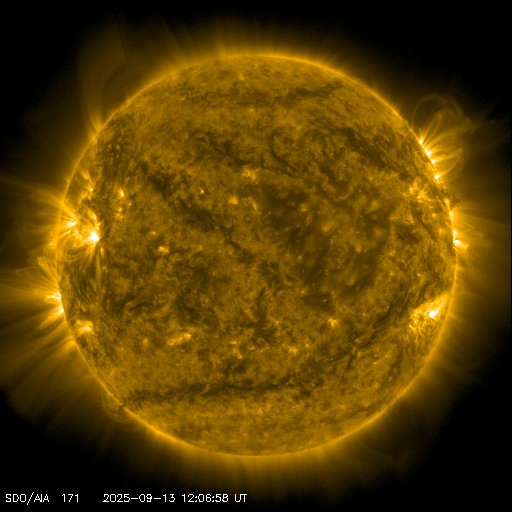
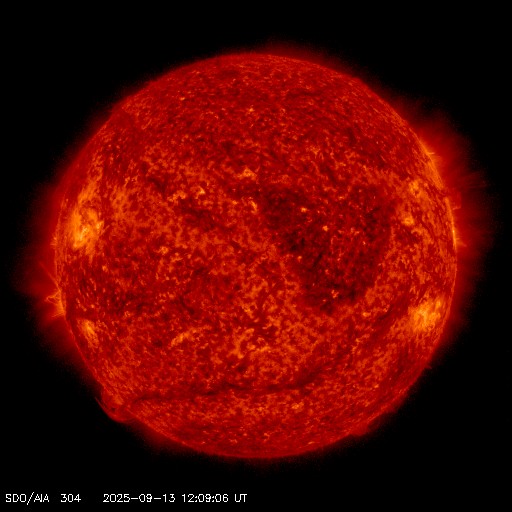
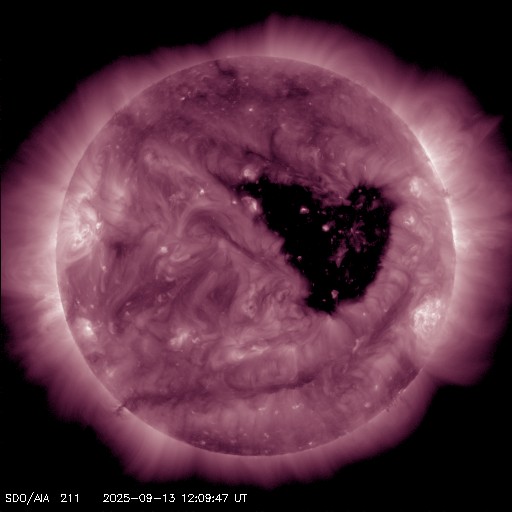
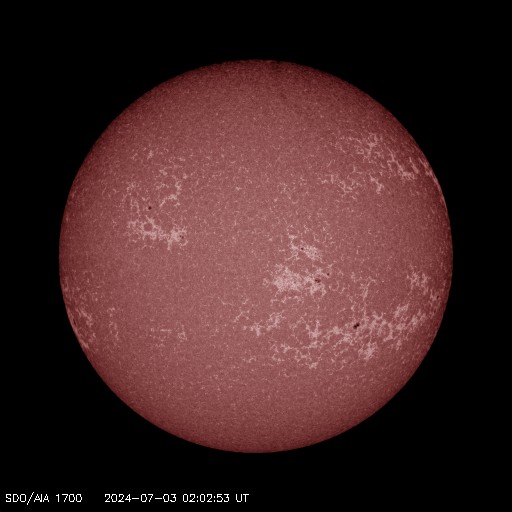
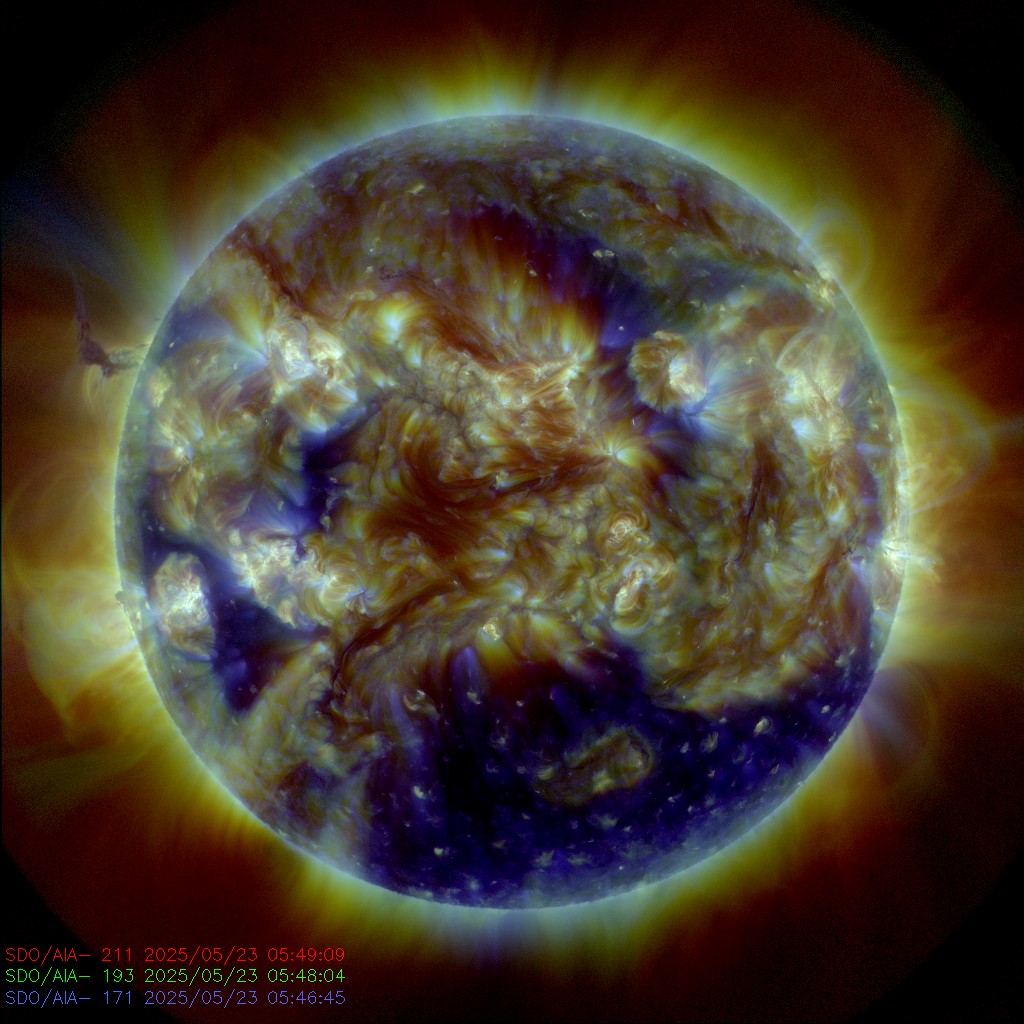
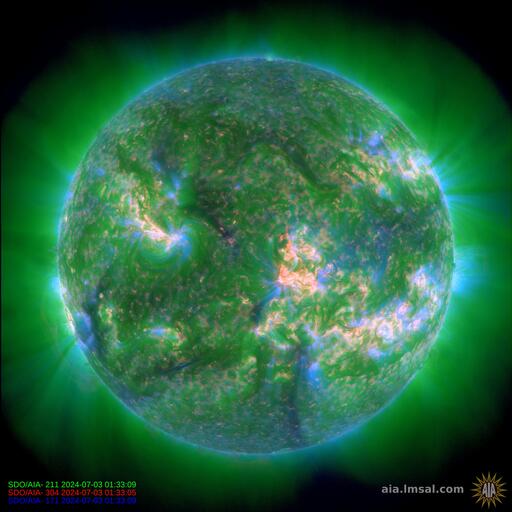
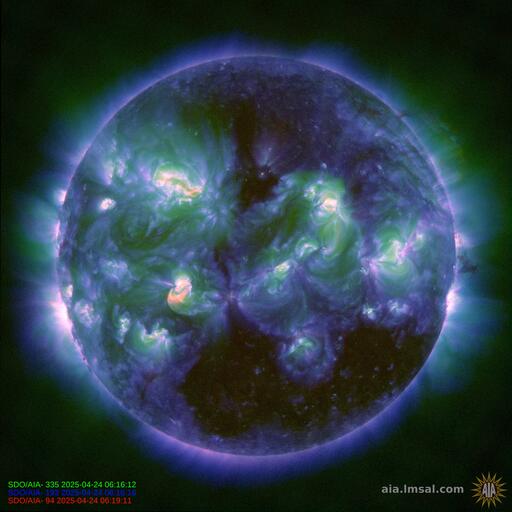
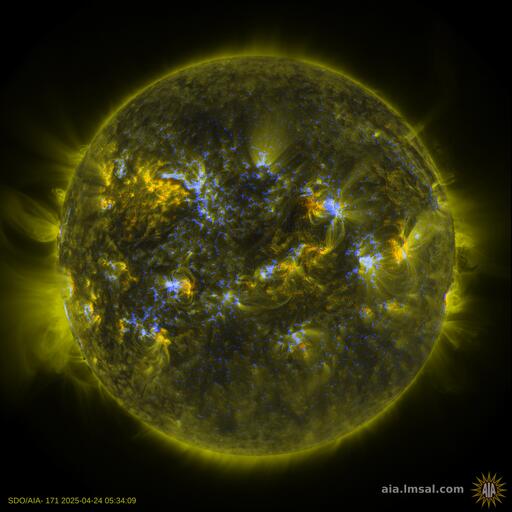
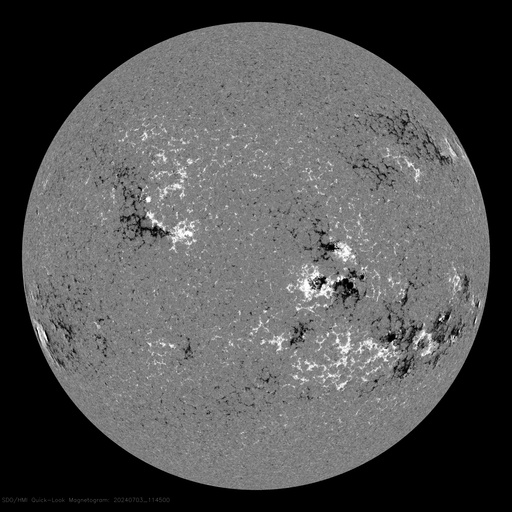
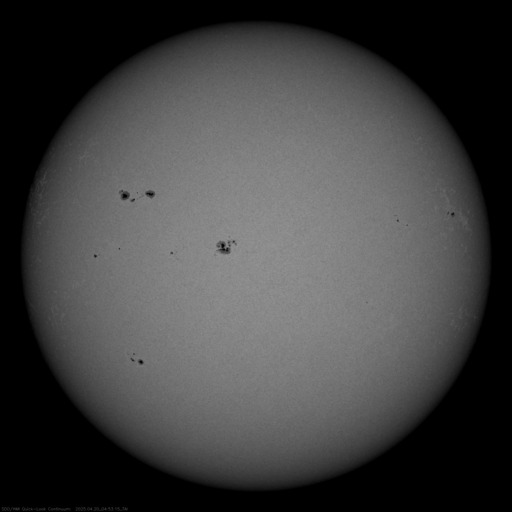
Pick of the Week
Criss-Crossing Lunar Transit

On Mar. 6, 2019, SDO observed a long lunar transit - with a twist. The shadow of the Moon in SDO's i
read more
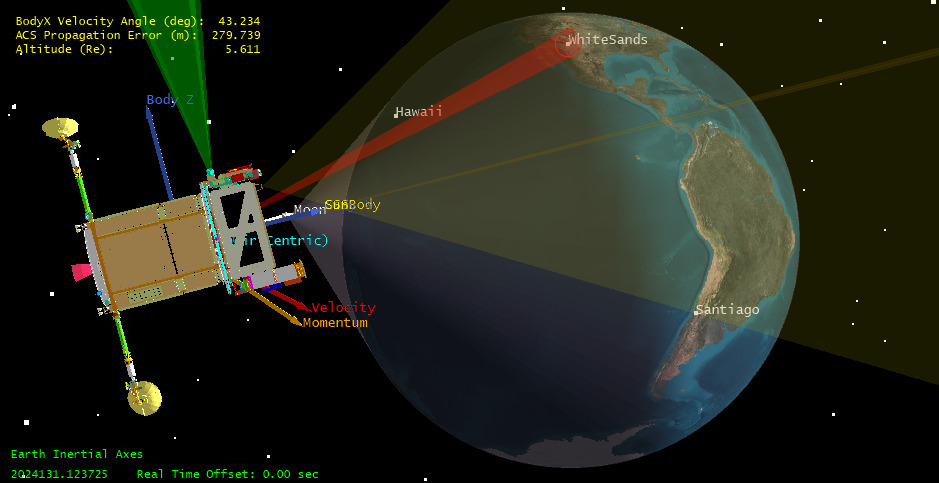
Where is SDO?
SDO Mission Blog
Eclipse Day Transit was not as Exciting as the Total Solar Eclipse - Wed, 10 Apr
The Moon covered about 5% of the solar disk at 09-Apr-2024, 03:36 UTC (08-Apr-2024, 11:36 ET). It i...
Spring 2024 Calibration Maneuvers Begin Today - Wed, 10 Apr
...
Momentum Management Maneuver (Delta-H) #49 today - Wed, 27 Mar
...
09 April 2024 Lunar Transit (08 April for North America) - Mon, 05 Feb
Here is a movie from the SDO Flight Dynamics Team showing the transit. The transit will only cov...
Station Keeping maneuver #28 today - Wed, 24 Jan
...
@TheSunToday
Cool! Comet ATLAS observed by STEREO! https://t.co/8IUPQpoFlW
05 Jun 2020
Instrument Sites


Social Media


